What Nike’s “Rip the Script” Ad Teaches Marketers About the World Cup 2026 Opportunity
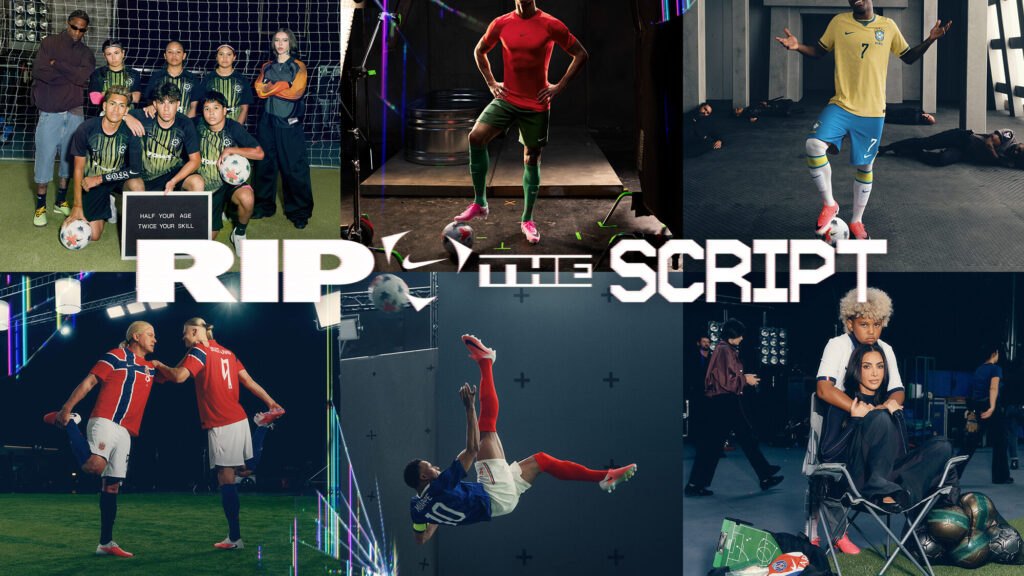
On June 4, Nike dropped a six-minute film called “Rip the Script”, and within hours it had reset the conversation around World Cup 2026 marketing. Created by longtime agency Wieden+Kennedy and directed by Dan Streit, the spot pulled in over 30 stars, blurred the line between sport and entertainment, and quietly turned a football ad into a cultural moment. For marketers, it’s more than a flashy commercial. It’s a blueprint for how the biggest brands plan to win the next twelve months.
A Six-Minute Film Built Like a Universe
The premise is simple but smart. The ad opens on a chaotic Hollywood film set where a director tries to corral his cast; Kylian Mbappé, Cristiano Ronaldo, Erling Haaland, Vini Jr. until the players ditch the script and turn the production into a football match. Cameos roll through: LeBron James, Kim Kardashian, Travis Scott, Channing Tatum, Lisa from Blackpink, even Ted Lasso.
But the film itself isn’t the whole campaign. Nike has confirmed roughly 185 additional shorts will roll out across TikTok, Instagram, X, and Reddit through the FIFA 2026 tournament. Easter eggs are baked into every frame, including an unreleased track from a major artist designed to send fans hunting through forums for answers. This is no longer the 30-second TV spot model. Nike is treating its World Cup 2026 marketing the way Marvel treats its film slate: one anchor piece, dozens of spinoffs, endless conversation.
Why It Works (And What Marketers Should Steal)
The genius of “Rip the Script” isn’t the celebrity wattage, it’s the architecture underneath. Nike built a campaign designed for the way people actually consume content today. A few principles stand out:
Anchor content, fragmented distribution. One hero film, 185 micro-pieces. Each platform gets content shaped for its audience instead of one cutdown reused everywhere.
Cultural collisions over category purity. Mixing Ted Lasso with Ronaldo, or Travis Scott with Mbappé, expands reach far beyond the football fan base.
Easter eggs as engagement loops. Hidden details turn passive viewers into active hunters and give creators something to react to for weeks.
Story over product. Kits and boots appear, but the campaign sells a feeling joy, instinct, freedom not a SKU.
Built-in conversation triggers. The unreleased track, the cameos, the chaos all give fans reasons to post, debate, and share organically.
The Adidas Pressure and What It Signals
None of this happened in a vacuum. Adidas got the early jump with “Backyard Legends,” a campaign that went viral weeks before Nike responded. The pressure forced Nike to deliver something bigger, louder, and more culturally embedded and the result is the most ambitious football 2026 campaign of the cycle so far.
For brands of any size, this is the real lesson. The World Cup 2026 isn’t just a sports event; it’s a battleground for attention where every major player is fighting to dominate the cultural feed. Even smaller brands without nine-figure budgets can ride this wave through reactive content, timely social commentary, themed campaigns, or partnerships with creators covering the tournament. At The Marketechs, we tell clients the brands that win moments like these are the ones that show up early, often, and with a point of view. Sitting it out isn’t neutral, it’s a loss of share-of-voice during the loudest twelve months on the global calendar.
How Smaller Brands Can Tap Into the Moment
You don’t need a Hollywood studio to benefit from the World Cup 2026 surge in attention. The opportunity is in showing up smartly, not loudly. A few practical moves:
Plan a content calendar tied to fixture dates. Match days drive massive search and social spikes, be ready with relevant posts.
Partner with mid-tier creators. Niche football accounts often deliver better engagement than mega-influencers and cost a fraction of the price.
Use reactive social. A well-timed meme or post about a key moment can outperform months of paid media.
Localise the story. Restaurant goers, leasing customers, fashion shoppers, every audience has a football 2026 angle if you look for it.
Where Brands Go From Here
Nike’s “Rip the Script” isn’t just an ad, it’s a signal of how the smartest brands will fight for attention over the next year. Bold storytelling, fragmented distribution, and cultural collisions are no longer optional extras. Whether you’re a global giant or a growing business, the World Cup 2026 is one of the rare moments when audiences are paying attention to brands almost as much as they’re paying attention to the game. The brands that show up smart will own the conversation long after the final whistle.
Frequently Asked Questions (FAQs)
Q1: When does the World Cup 2026 start? A: The FIFA 2026 tournament kicks off on June 11, 2026, hosted across the United States, Canada, and Mexico. It will be the first World Cup with 48 competing teams.
Q2: Who created Nike’s “Rip the Script” campaign? A: The ad was created by Nike’s longtime agency Wieden+Kennedy and directed by Dan Streit. It features over 30 stars spanning football, music, fashion, and Hollywood.
Q3: Why is Nike’s approach different from a traditional ad? A: Nike built a content universe instead of a single spot. One six-minute film anchors roughly 185 shorter pieces across TikTok, Instagram, X, and Reddit, designed to spark ongoing conversation rather than a one-time view.
Q4: How can smaller brands benefit from the World Cup buzz? A: Smaller brands can tap into the moment through reactive social posts, creator partnerships, fixture-day content, and locally relevant storytelling. The audience is already gathering, the trick is showing up with a point of view that fits your brand.
Q5: Who is The Marketechs? A: The Marketechs is a UK-based marketing agency helping brands across food, fashion, and lifestyle build standout digital presence. From SEO content to social media strategy, we help businesses turn cultural moments into commercial wins.